

 See My Latest Article on HelloNation

What Does Estate Planning Mean?
Estate planning is the process of arranging for the management and distribution of your assets in case of incapacity or after death. It involves creating legal documents and making decisions that protect your property, minimize disputes, and make your wishes clear. For households in Lees Summit, this can include everything from deciding who inherits the family home to who steps in if someone is unable to make medical or financial decisions.
Estate planning covers more than just wills. Common components include:
- Wills and trusts
- Powers of attorney
- Health care directives
- Beneficiary designations
Each document serves a unique purpose, and together they provide a clear plan for safeguarding assets and supporting loved ones.
Why Do Lees Summit Households Need Estate Planning?
Estate planning is important because it prevents confusion and legal challenges during already stressful times. Without a plan, the state determines how assets are distributed, which can delay the process and create uncertainty for heirs. In Lees Summit, this means the local probate court might make decisions that are different from what a person would have chosen.
A comprehensive plan:
- Makes it easier for family members to carry out specific wishes
- Reduces the chances of family disagreements
- Helps manage and reduce estate taxes or legal costs
- Supports minor children or dependents if guardianship is needed
Setting up these arrangements in advance avoids unnecessary delays and financial burdens after a death or serious illness.
What Types of Documents Are Used in Estate Planning?
Most estate plans involve several key documents, customized to reflect a person's needs and circumstances. Here’s an overview of commonly used items:
Wills: Outline who gets personal and real property, appoint guardians for children, and name an executor.
Trusts: Allow for greater flexibility and privacy in distributing assets, and can help bypass the public probate process.
Power of Attorney: Lets someone handle financial or legal matters if the person who created the document can't act for themselves.
Health Care Directives: Specify medical wishes if a person can't communicate, and allow a trusted individual to make health care decisions.
In Lees Summit, these documents must meet specific state requirements to be valid, including appropriate signatures and, in most cases, witnesses or notaries.
Who Needs Estate Planning?
Every adult can benefit from some level of estate planning, regardless of wealth or age. This includes homeowners, parents, retirees, single individuals, and those with special family or health situations in Lees Summit. Often, people assume that only substantial estates require a plan, but anyone with property, children, or specific wishes for end-of-life care can benefit from these tools.
Examples of local residents who might especially need estate planning include:
- Parents with minor children (to name guardians)
- Homeowners concerned about direct transfer or sale of property
- Retirees who want to ensure their savings go to specific people or causes
- Those with complex family structures or long-term care needs
What Happens Without Estate Planning?
If a resident of Lees Summit passes away or loses capacity without plans in place, state laws and local courts decide what happens to their property and care. This process is called intestate succession, and it may not match personal preferences. Assets without designated beneficiaries are usually handled through probate, which can be costly and take months to resolve.
Dying without a will could mean:
- Family members have to petition the court to manage the estate
- Assets are distributed according to state law, not specific wishes
- Disagreements or confusion among loved ones
- Delays in access to needed funds or housing
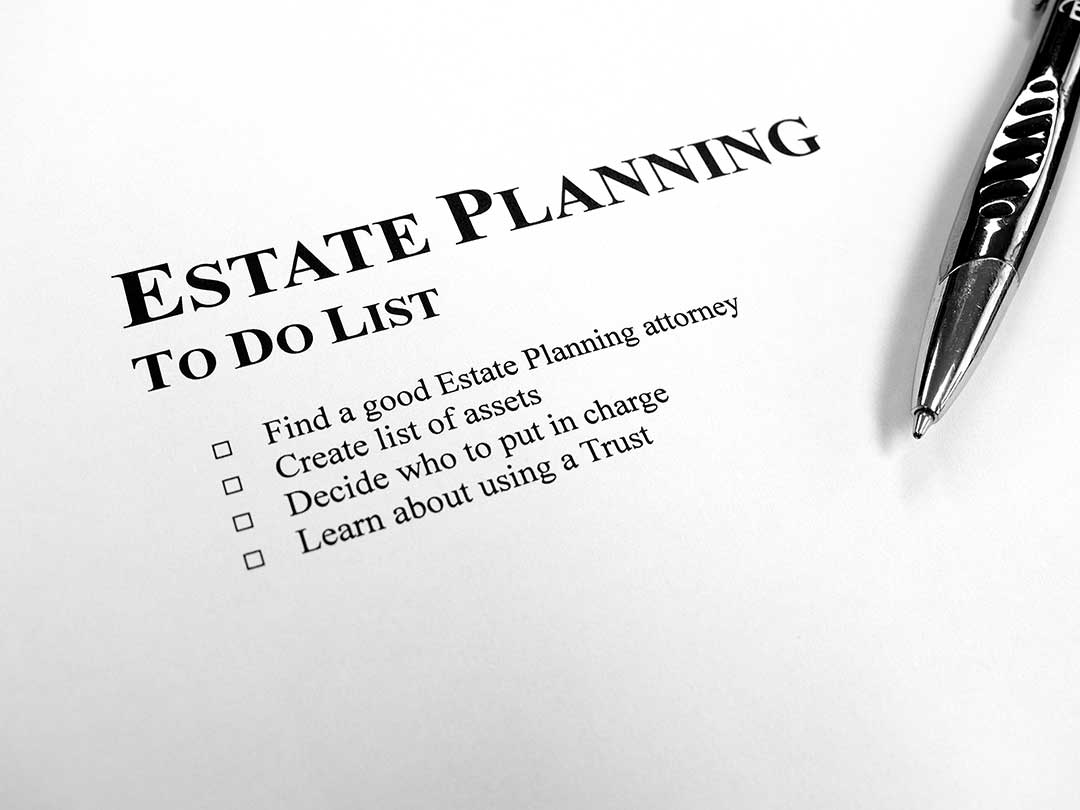
Advance planning avoids these issues, making transitions smoother.
Are There Local Considerations for Estate Planning in Lees Summit?
Estate planning documents must comply with Missouri laws to be valid, but there are also local factors to consider. For example, how real estate is held (joint tenants, tenants in common), local property values, and common family structures in Lees Summit neighborhoods can influence planning strategies.
Seasonal weather events, like summer storms, sometimes highlight the need for contingency plans, especially protecting important documents from loss. Many area residents store originals in secure, waterproof locations or ask trusted family members to keep copies to ensure access when needed.
Further, because Missouri laws may differ from those in neighboring states, long-term residents who move to or from Lees Summit should regularly review their documents, making sure each one still complies with current requirements.
Common Misconceptions About Estate Planning
Many people in the community believe estate planning is only for the wealthy, or that drafting a single will covers every situation. In reality, even modest estates or young families benefit from planning, and a will alone rarely covers health care, financial emergencies, or guardianship for children.
Other common misunderstandings include:
- Thinking joint bank accounts are a substitute for a will—joint accounts can create separate legal or tax issues.
- Believing estate planning documents never have to be updated—major life changes often require new or adjusted documents.
- Assuming that if everything is in a trust, no probate will be needed—some assets or situations may still require court involvement.
Discussing goals and learning about options helps families in Lees Summit make sure estate plans work as intended.
How Often Should Estate Plans Be Updated?
Estate plans are most effective when reviewed and updated after significant life changes. Events like marriages, divorces, new children, the purchase or sale of property, or changes in health can all affect original plans.
Typical times to review documents include:
- Every three to five years
- After major family, property, or legal changes
- When moving to or from a new state or making large gifts
Keeping information current ensures the plan continues to meet the needs of local households.